The Application of Stable Isotope Analysis in Archaeology
Discover how stable isotope analysis revolutionizes our understanding of ancient diets, migrations, and environmental conditions.
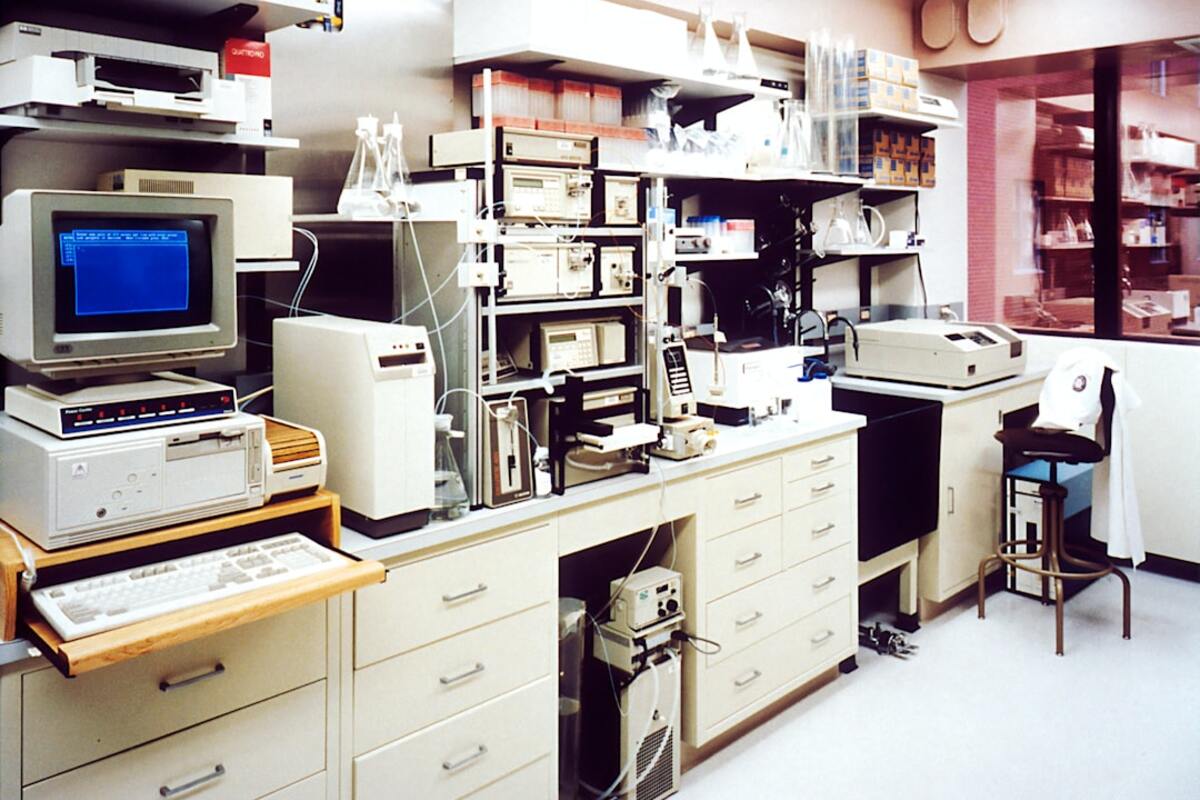
- Stable isotope analysis reveals ancient dietary habits and migration patterns.
- It helps reconstruct past environmental and climatic conditions.
- This method offers non-destructive analysis of archaeological samples.
Introduction to Stable Isotope Analysis
Stable isotope analysis is a groundbreaking scientific method that enables archaeologists to delve into the past like never before. This technique involves examining the isotopic composition of biological and geological materials, such as bones, teeth, and sediments. Unlike radioactive isotopes, stable isotopes do not decay over time, making them invaluable for studying ancient remains. By analyzing the ratios of isotopes, such as carbon, nitrogen, and oxygen, researchers can glean insights into ancient diets, migration patterns, and environmental changes.

Dietary Reconstruction Using Stable Isotopes
One of the most significant applications of stable isotope analysis in archaeology is dietary reconstruction. By evaluating the carbon and nitrogen isotopes in human and animal remains, researchers can determine the types of foods consumed. For instance, different plants utilize varying photosynthetic pathways, which results in distinct carbon isotope signatures. C3 plants, such as wheat and rice, exhibit different carbon isotope ratios compared to C4 plants like maize and millet. By analyzing these ratios in human remains, archaeologists can infer the staple foods of ancient populations and how these diets evolved over time. Additionally, nitrogen isotopes provide insights into the trophic levels of ancient diets, helping to identify whether communities relied on marine or terrestrial resources.
Reconstructing Migration Patterns and Environmental Conditions
Stable isotope analysis also plays a crucial role in understanding ancient migration patterns. Oxygen isotopes, for example, vary with geographic location and climate. By studying the oxygen isotope ratios in human remains, researchers can trace the movement of individuals and populations across different regions. This analysis has shed light on prehistoric migrations and interactions between distant cultures. Furthermore, stable isotopes offer a window into past environmental and climatic conditions. By examining isotopic ratios in sediments and ice cores, scientists can reconstruct temperature variations and precipitation patterns over millennia. This information is crucial for understanding how ancient communities adapted to changing climates and environmental challenges.
- Non-destructive analysis: One of the many advantages of stable isotope analysis is its non-destructive nature. This means valuable archaeological samples can be studied without inflicting damage, preserving them for future research.
- Interdisciplinary Approach: Stable isotope analysis often requires collaboration between archaeologists, chemists, and geologists. This interdisciplinary approach enriches our understanding of ancient cultures by integrating diverse expertise.
As stable isotope analysis continues to evolve, it holds immense potential for uncovering the secrets of the past, offering a more comprehensive understanding of ancient societies and their interactions with the environment.